If you have ever tasted gindara fish, you probably remember it vividly. Not just the flavor, but the way the meat melts on your tongue. Rich, buttery, and almost creamy in texture, gindara creates a sensory experience that is hard to forget. Often described as luxurious and indulgent, this fish has quietly built a loyal following among chefs, restaurants, and premium food suppliers.
But what makes gindara so special? Why is it so often confused with other fish? And why does it trigger such strong reactions from people who try it? This guide will help you dive deep into the story of gindara, from its unique characteristics to its culinary uses, and why sourcing quality matters if you want the best experience.
What Exactly Is Gindara?
Gindara is often compared to black cod, but the two are not the same fish. They share similarities in appearance and texture, especially the soft white flesh and naturally high oil content, but they come from different species.
The confusion is understandable. When cooked, gindara behaves much like black cod. The meat stays moist and silky, the fat melts beautifully, and the flavor is clean yet indulgent. But gindara has its own identity, and for many people, its unique texture and oiliness are what make it stand out.
What sets gindara apart is the balance between richness and delicacy. The fat content is high, but the flavor stays light and clean rather than heavy or overly fishy. That combination is what makes gindara feel premium and different from more common fish varieties.
Why People Fall in Love With Gindara
The moment gindara touches heat, its fat begins to melt, coating the fish in a silky, glossy layer that enhances its flavor. Unlike many lean fish that can turn dry when cooked improperly, gindara stays moist and rich, even when grilled or pan-seared.
The flavor is often described as:
- Naturally buttery
- Rich and savory
- Mildly sweet
- Deeply satisfying
Because the fish already has so much natural flavor, it doesn’t need heavy seasonings or complex preparation. A little salt, a quick sear, or light smoking is often enough to let the fish shine.
Smoked Gindara: A Premium Delicacy
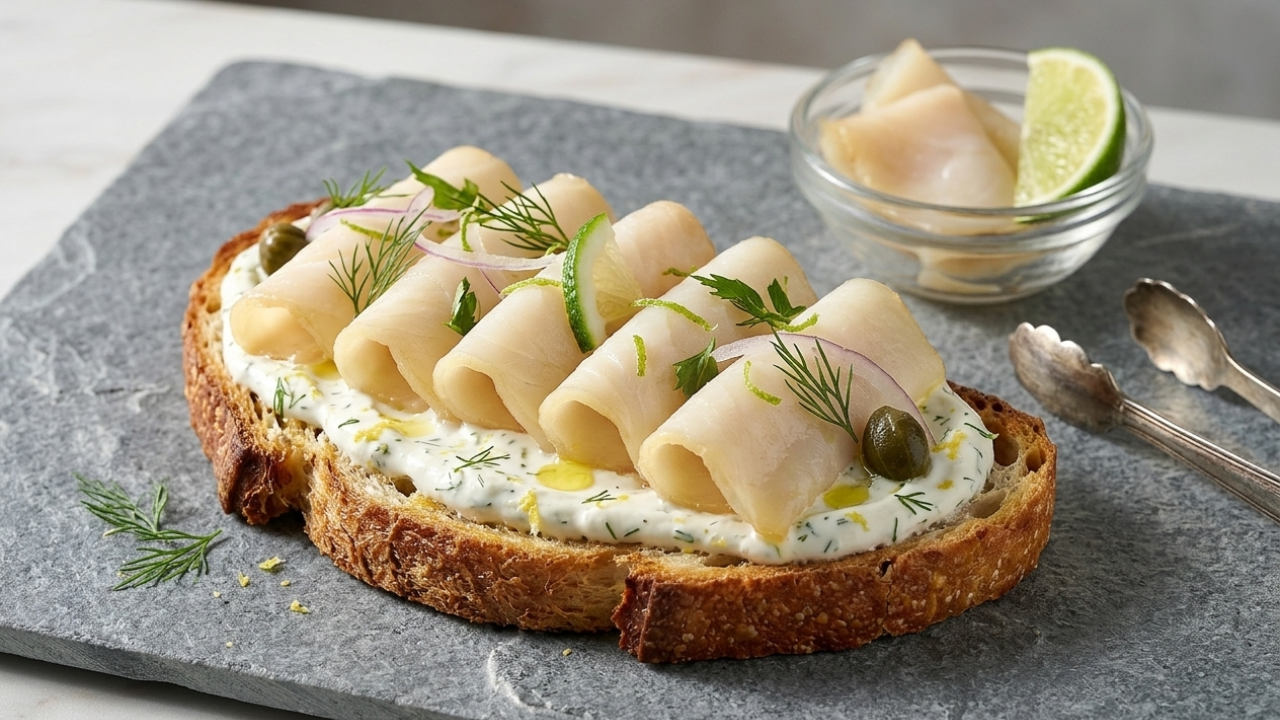
Smoked gindara takes everything people love about this fish and amplifies it. The smoking process deepens the flavor, enhances the natural oils, and creates a silky texture that feels indulgent.
Two well-known names offering smoked gindara are Marine Palace and Blessing Fish. Both deliver premium quality, but they serve slightly different target markets.
- Marine Palace is more oriented toward retail buyers. It’s commonly found, making it a great option for home cooks and personal consumption.
- Blessing Fish leans more toward business-to-business (B2B) markets, supplying restaurants, hotels, and professional kitchens that need consistent quality and larger quantities.
Despite these differences, the smoked quality of both brands remains consistently premium, delivering that signature soft texture and rich, oily bite that defines good gindara.
A Fish With a Unique Side Effect
One interesting thing about gindara is its natural oil content, which some people experience differently. Because the fish contains high levels of wax esters and fats, consuming too much can lead to digestive discomfort for some people.
In fact, gindara has gained attention among certain groups who use it as part of their diet for its mild laxative effect. However, this same effect means that moderation is important. Eating more than about 100 grams in one sitting can be too intense for sensitive individuals, potentially leading to digestive reactions.
This doesn’t make gindara dangerous, but it does highlight how rich and fatty the fish truly is. For most people, enjoying it in balanced portions ensures a pleasant experience without unwanted side effects.
Culinary Uses and Serving Ideas
Gindara is incredibly versatile in the kitchen. Its natural fat content makes it ideal for a range of cooking methods, and it works beautifully in both Asian and Western styles of cuisine. Some popular preparations include:
- Lightly grilled gindara with salt or miso glaze
- Smoked gindara served as a main dish or appetizer
- Pan-seared gindara with minimal seasoning
- Gindara rice bowls with pickles or citrus
- Thinly sliced smoked gindara for gourmet platters
Chefs often keep the preparation simple to let the fish’s natural qualities shine. When the ingredient is this good, less really is more.
Why Quality and Source Matter
Not all gindara is equal. Because of its high fat content, freshness and processing quality significantly impact taste and texture. Poor-quality or poorly handled fish can taste overly oily or lose its delicate structure. High-quality gindara, on the other hand, maintains its creamy texture and clean flavor.
This is why sourcing from trusted suppliers matters. For consumers and businesses alike, choosing premium gindara ensures a consistent culinary experience.
Where to Find Premium Gindara
If you’re looking to try gindara or incorporate it into your menu, you can find premium smoked options through Puri Pangan Utama Website. They offer both Marine Palace and Blessing Fish smoked gindara and gindara steak products, giving customers access to high-quality selections for different needs.
Marine Palace products are available for retail customers, making them ideal for home cooking and individual purchases, while Blessing Fish is specially catered for the Horeca market (hotels, restaurants, and cafés), making it a reliable choice for business kitchens and food service operations.
Whether you’re buying for home cooking or stocking a restaurant kitchen, sourcing from a reliable supplier ensures the flavor, texture, and quality that gindara is known for.
The Gindara Experience
Gindara is not just another fish. It is a unique culinary experience defined by rich flavor, soft texture, and a melt-in-the-mouth sensation that leaves a lasting impression.
Once you try it, it is easy to understand why so many people seek it out again. Whether you enjoy it grilled, smoked, or simply seasoned, gindara offers a level of indulgence that truly changes the way you think about fish.