Peak season can bring more guests, bigger events, and higher revenue for restaurants and hotels. But behind the scenes, it can also put pressure on one important part of the operation: inventory management.
For HoReCa businesses, frozen seafood inventory management requires more than simply ordering extra products. Teams need to estimate demand, manage freezer space, rotate stock properly, and make sure products can be replenished when needed.
The goal is simple: have enough stock to serve customers without filling the freezer with products that may not move.
Why Peak Season Makes Seafood Inventory More Challenging
Peak season demand is rarely predictable. Hotels may receive additional wedding or corporate bookings, while restaurants can see higher traffic during holidays and weekends.
Purchasing teams also need to consider supplier lead times, storage capacity, product availability, and food costs. For frozen seafood, proper storage and temperature control are essential.
A full freezer is not necessarily an efficient freezer. What matters is having the right products, in the right quantity, at the right time.
Understand Your Peak Season Demand
Before increasing stock, start with your previous sales data. Look at which seafood products performed best during previous peak periods and compare them with upcoming bookings. Are there weddings, corporate events, holiday celebrations, or large group reservations on the calendar?
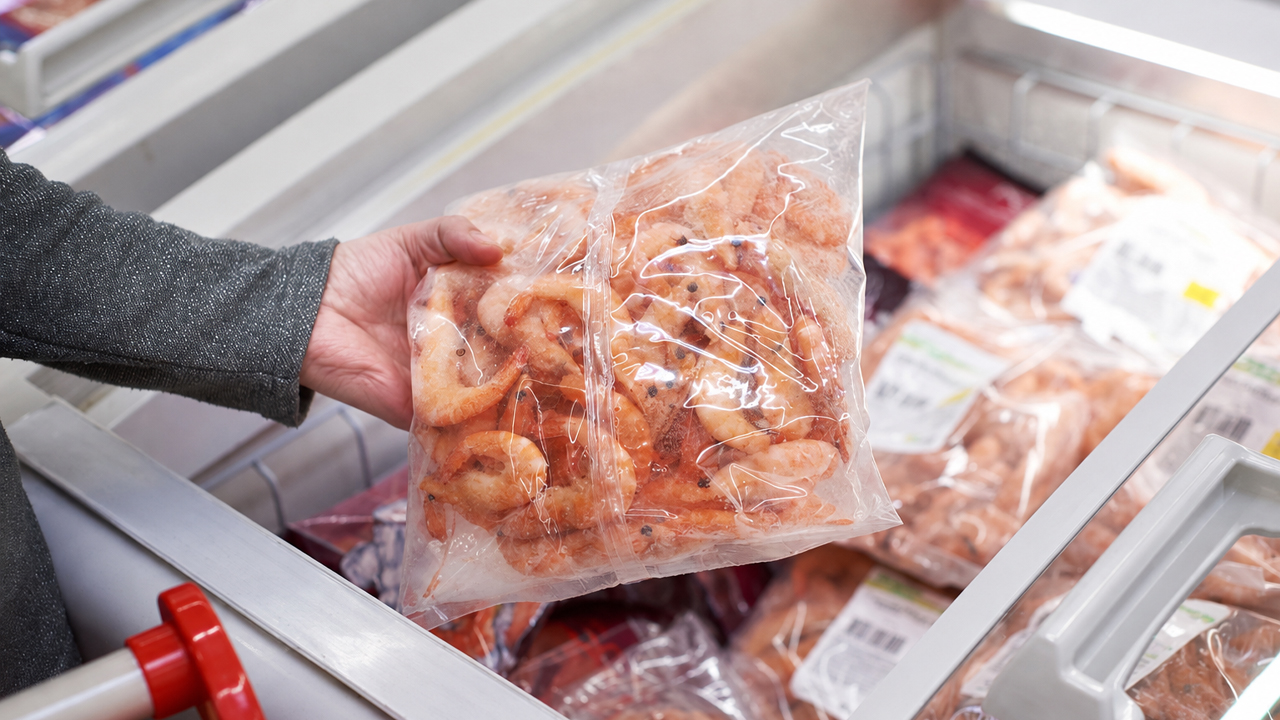
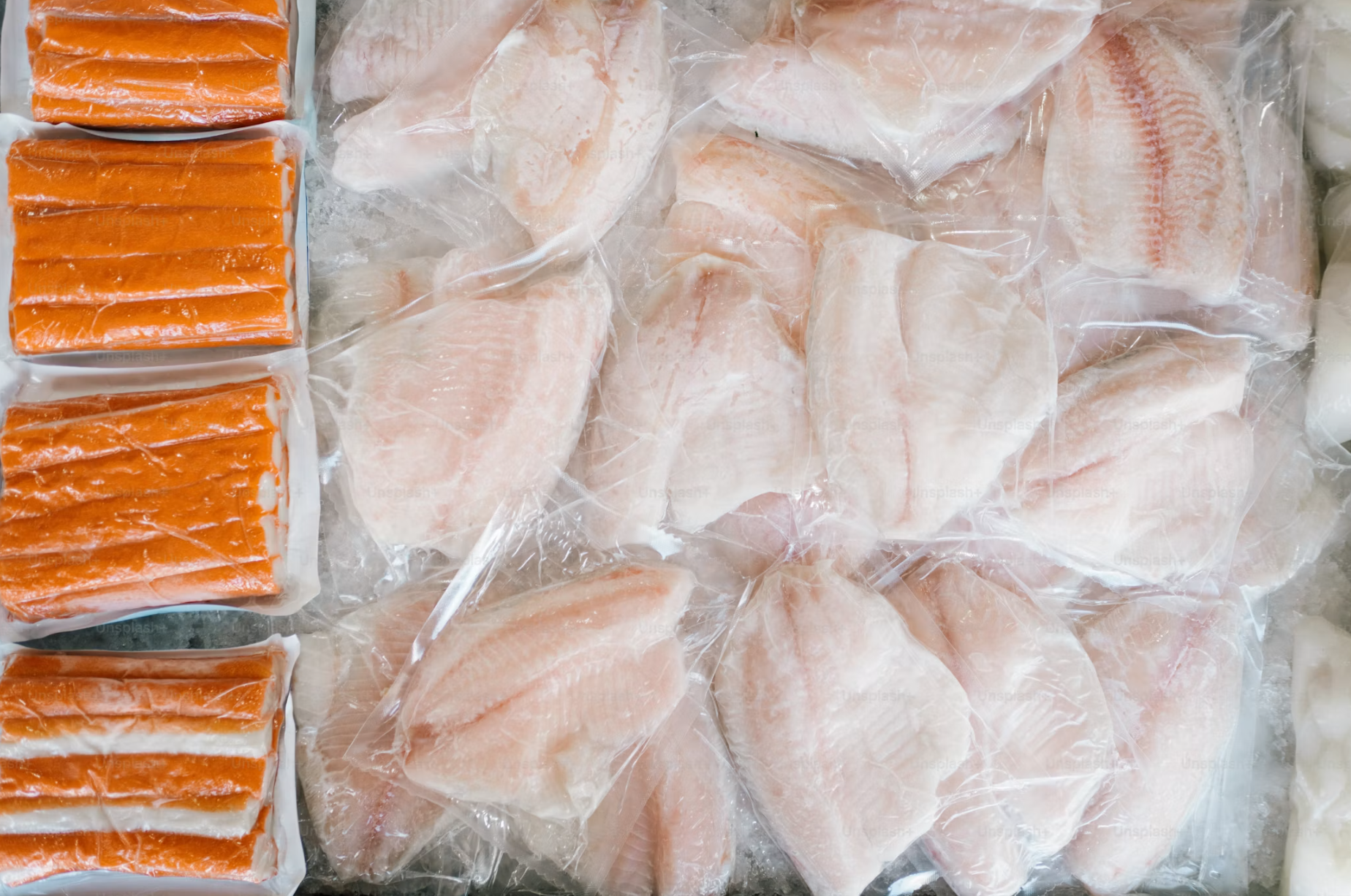
For example, if shrimp, salmon, and tilapia are regularly among the best-selling items on a hotel buffet, these products may require higher stock levels than slower-moving items.
Rather than increasing every product by the same percentage, use actual sales and upcoming events to estimate where demand is most likely to increase. This helps reduce unnecessary stock and food waste.
Set Par Levels for Key Seafood Items
Once demand is clearer, establish par levels for key seafood products. A par level is the target amount of inventory needed to support operations before the next replenishment. For example, a hotel might set a 20 kg par level for shrimp based on menu demand and storage capacity.
Par levels should be reviewed regularly during peak season. If a product is being used faster than expected, purchasing teams can adjust the next order before stock runs too low.
This gives kitchen and purchasing teams a simple reference for when to reorder.
Use FIFO to Keep Frozen Seafood Fresh
Good inventory management does not stop when products arrive. The First In, First Out (FIFO) method helps ensure older stock is used before newer deliveries.
Clearly label delivery dates and make sure kitchen staff know which products should be used first. Freezer temperatures should also be checked regularly according to each product’s storage requirements.
Portion control can further reduce waste. During busy service, accurate portions help kitchens manage food costs while reducing unnecessary product usage.
Match Inventory with Your Menu Mix
Work with chefs to identify high-volume seafood items. If shrimp and salmon are popular during dinner service, these products should receive higher stock priority.
Slower-moving products may not need to be purchased in large quantities. For buffets and events, estimate portions with the kitchen team before placing larger orders.
Build a Flexible Peak Season Strategy
Not every restaurant or hotel has enough storage space to hold several weeks’ worth of inventory. Keeping too much stock on-site can take up valuable freezer space and increase the risk of unnecessary inventory.
The best approach is to prepare before the rush begins. Review historical sales, upcoming events, menu requirements, storage capacity, and supplier lead times several weeks in advance. This gives purchasing and kitchen teams enough time to adjust stock levels instead of making last-minute decisions.
For businesses with enough freezer capacity, additional buffer stock may make sense. For those with limited storage, a dependable delivery schedule can offer greater flexibility. Rather than carrying excessive inventory, businesses can replenish products based on actual consumption and upcoming demand.
The key is to build a peak-season plan that matches the way your business operates, balancing product availability, storage capacity, and delivery flexibility.
Choose a Reliable Frozen Seafood Supplier
A reliable supplier is about more than product availability. For restaurants and hotels, consistent supply, proper storage, cold-chain handling, and dependable delivery are equally important.
During peak season, unexpected delays or shortages can quickly affect kitchen operations. Having a supplier that understands HoReCa requirements can make inventory planning much easier.
A reliable supplier should be able to support both product availability and delivery requirements. During peak season, having a dependable supply partner can help businesses respond more quickly when demand changes unexpectedly.
Ready for Peak Season?
Don’t wait until demand has already increased to review your inventory strategy. Start planning your stock, menu requirements, and delivery schedule early.
If your restaurant or hotel needs support with frozen seafood inventory management, contact Puri Pangan Utama to discuss your HoReCa supply and delivery requirements.
WhatsApp us now to plan your peak season supply with greater confidence.
Frequently Asked Questions
What should I do if my restaurant has limited freezer space?
A reliable delivery schedule can reduce the need to hold large amounts of frozen seafood on-site. Plan replenishment around actual consumption and upcoming demand.
How can I prepare my seafood supply for a large event?
Review guest numbers, menu requirements, portion sizes, and event dates early to estimate stock requirements and arrange replenishment.
Can a food supplier help with inventory management?
Yes. Reliable delivery, refrigerated storage, and cold-chain handling can give HoReCa businesses more flexibility when storage space is limited or demand changes.
How can Puri Pangan Utama support HoReCa businesses during peak season?
Puri Pangan Utama provides foodservice supply and delivery support, including refrigerated storage and delivery to help businesses manage inventory more efficiently.